Testing gold with a lighter is a simple method to quickly check if a piece of jewelry or an item is genuine.
Gold is a durable, non-reactive metal with a high melting point and should not be damaged by brief exposure to a flame. When performed correctly, this test can help spot fake gold.
What You’ll Need
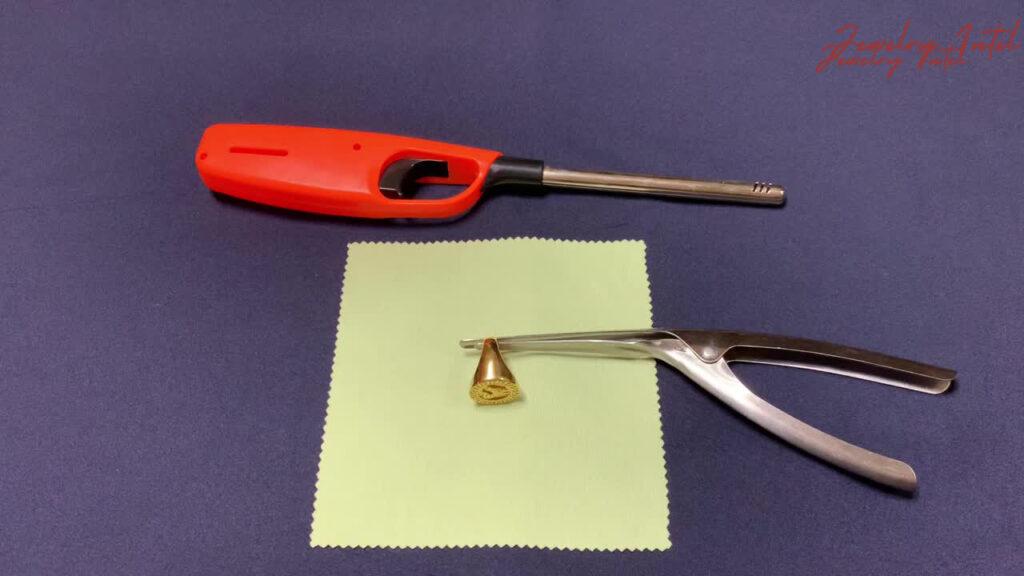
- A lighter (preferably a butane or refillable torch lighter for consistent heat)
- Bowl of cold water for cooling the item afterward
- Tongs or heat-resistant gloves (for safety)
- Soft cloth for drying
Precautions to Take
- Work in a Well-Ventilated Area: Always perform this test in a space with adequate ventilation to avoid inhaling any fumes or smoke from non-gold items.
- Avoid Testing Valuable or Antique Pieces: Although this test is generally safe for solid gold, it may damage gold-plated or mixed-metal items. Consider using other non-damaging tests for valuable or sentimental items.
- Use Tongs or Heat-Resistant Gloves: Gold retains heat, and the lighter’s flame will make the piece hot. Always use tongs or heat-resistant gloves to avoid burns.
- Avoid Testing Items with Gemstones: Exposing gemstones to high heat can damage or loosen them. This test is best suited for solid gold items without stones or delicate parts.
Step-by-Step Instructions
Step 1: Set Up Your Testing Area
Find a well-ventilated, flame-safe area where you can safely hold the item with tongs or gloves while applying the lighter. Ensure you have a bowl of cold water nearby for cooling down the item afterward.
Step 2: Position the Gold Item Securely
Grip the gold item firmly with tongs or heat-resistant gloves. This will keep your hands away from the heat source and help you observe the gold item closely during the test.
Step 3: Apply Flame to the Gold Item
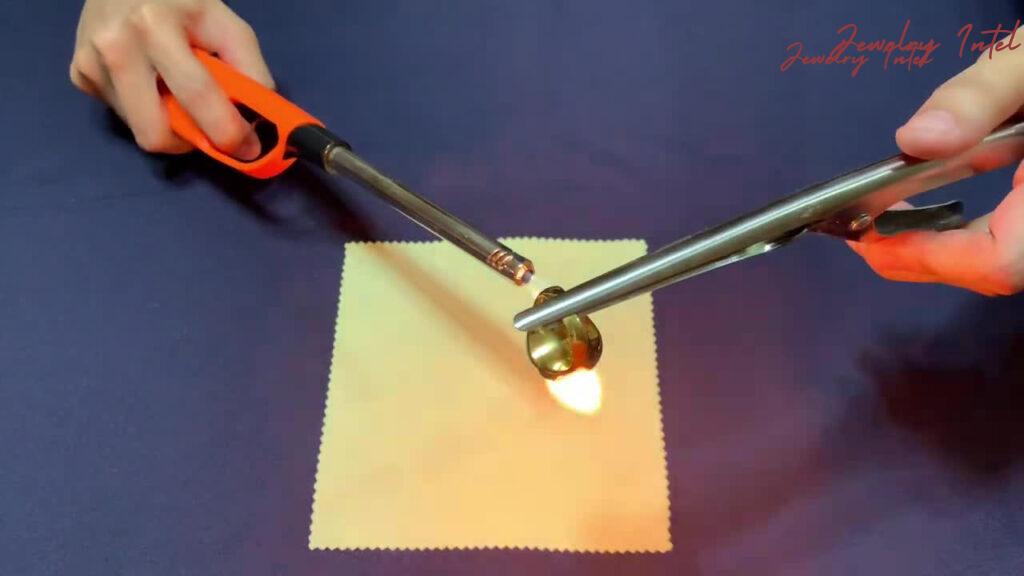
Turn on the lighter and apply the flame directly to the surface of the gold item. Allow the flame to stay on the piece for about 30 seconds. Observe the item closely during this time.
Step 4: Watch for Reactions
- Real Gold: Gold is non-reactive and has a high melting point, so it should not discolor, tarnish, or melt when exposed to the lighter flame for a short period. Genuine gold will simply get hotter, but it won’t undergo visible changes.
- Fake Gold or Mixed Metals: If the piece begins to darken, tarnish, or melt, it is likely not pure gold. Base metals, like brass or copper, can change color, bubble, or give off smoke under heat. Gold-plated items will often reveal the underlying metal beneath the surface as the plating begins to melt or discolor.
Step 5: Cool Down and Rinse
Once you’ve finished observing the item, submerge it in a bowl of cold water to cool it down safely. This helps remove any minor residue from heating and ensures the piece isn’t too hot to handle.
Step 6: Dry and Examine the Item
Pat the piece dry with a soft cloth. If there was no reaction or damage to the item during the test, this is a positive sign that it may be genuine gold. Any noticeable discoloration, tarnish, or melting, however, indicates the presence of other metals.
Interpreting the Results
- No Visible Change: If the item shows no color change, tarnish, or melting, it’s a good indication that it may be real gold, as gold can withstand short exposure to high heat.
- Visible Damage (Tarnish, Melting, or Smoke): If you observe tarnishing, melting, bubbling, or smoke, it’s likely that the item is gold-plated or made from a different metal. Base metals often tarnish or melt when exposed to flame, which indicates the item is not pure gold.
Additional Tips and Tricks
- Consider Combining Tests: The lighter test is a helpful first check, but it’s not conclusive. If you want to be more certain, you can try combining this with other tests like the magnet test (since real gold is non-magnetic) or an acid test.
- Use a Butane Lighter for Consistent Heat: Butane lighters provide a stronger, more consistent flame, which can make it easier to see reactions in certain metals. Regular lighters may not produce enough heat to affect some alloys.
- Gold Alloys May Show Slight Reaction: Lower-karat gold items (10K or 14K) contain other metals to increase durability, so they might show minor changes in color when heated. Be cautious about interpreting very slight tarnish on these items as proof of a fake.
- Avoid Holding the Flame for Too Long: Prolonged exposure to high heat can affect the surface of even authentic gold items, especially lower-karat pieces. Aim for a brief test to avoid damaging your jewelry.
- Try a Professional Test for Valuable Pieces: If your item is valuable or of high sentimental worth, consider taking it to a professional jeweler for an accurate test using specialized equipment.
Conclusion
This test is best used for solid gold items and should be done with caution. Consider following up with other at-home tests like https://youtu.be/-1caLu7PKuo or consulting a professional jeweler for a more conclusive result.
Leave a Reply
You must be logged in to post a comment.