Baking soda is one of the simplest items you can use to do a quick test to spot fake gold.
What You’ll Need
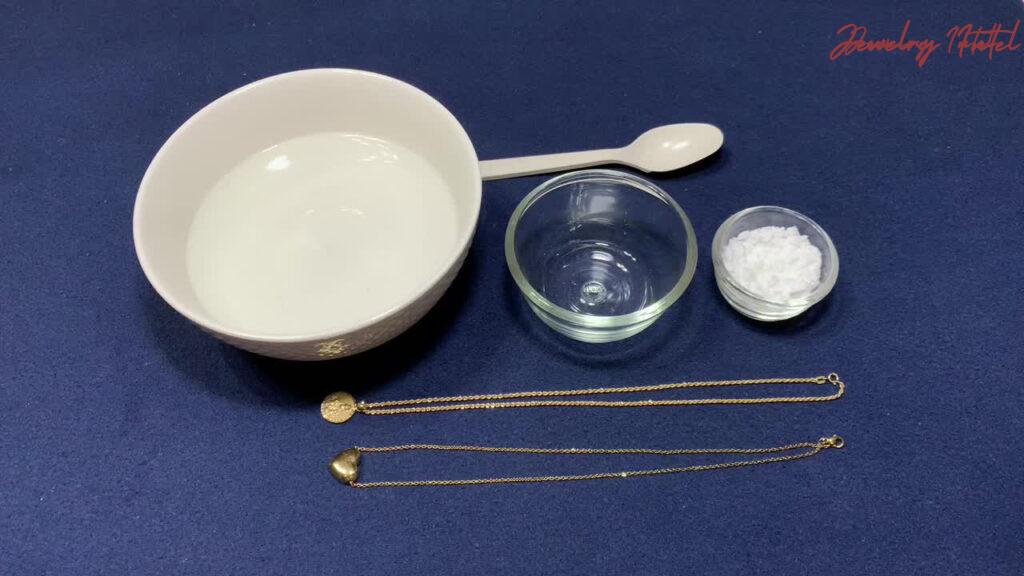
- Baking soda – Essential for the test, as it reacts differently with real versus fake gold.
- Small bowl or dish – For mixing the baking soda with water.
- Water – For making a baking soda paste.
- Soft cloth – For drying and polishing after the test.
- Dropper or spoon – For adding water to the baking soda.
Precautions to Take Before Testing Gold with Baking Soda
- Use this test sparingly: Baking soda is abrasive and can potentially scratch soft metals like gold. If you’re dealing with fine or valuable jewelry, consider having it tested by a professional jeweler to avoid any risk of damage.
- Handle the item carefully: For items with a thin plating, like gold-plated jewelry, baking soda can wear off the gold layer. This test is best suited for solid gold pieces or for testing inconspicuous areas.
- Prepare a clean workspace: Work in a clean area to avoid misplacing or losing small items during the test.
Step-By-Step Process
Step 1: Make the Baking Soda Paste
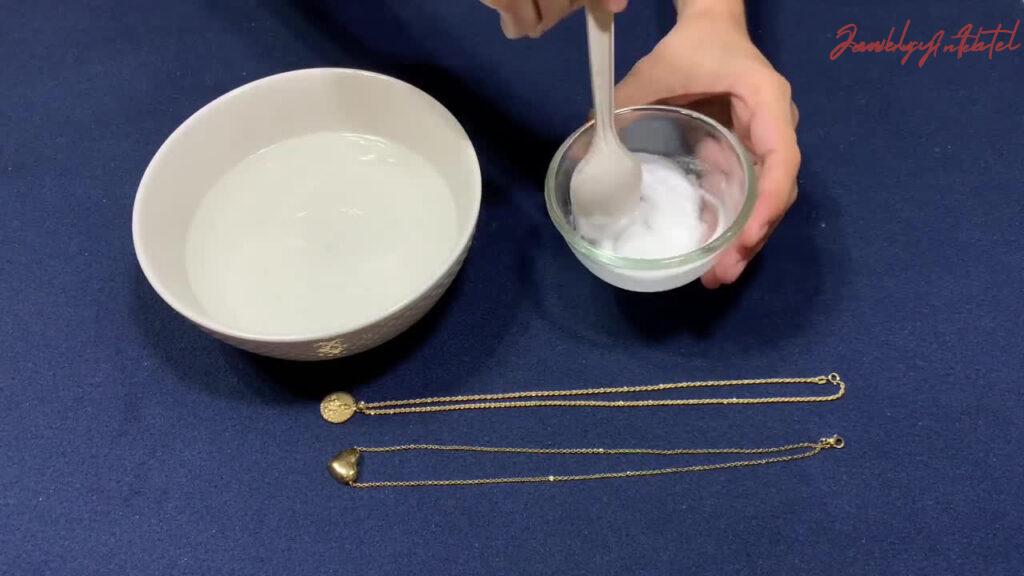
- In a small bowl, mix a tablespoon of baking soda with a few drops of water to form a thick paste. The paste should be thick enough to stay on the jewelry and not run off when applied.
Step 2: Apply the Paste to the Gold Item
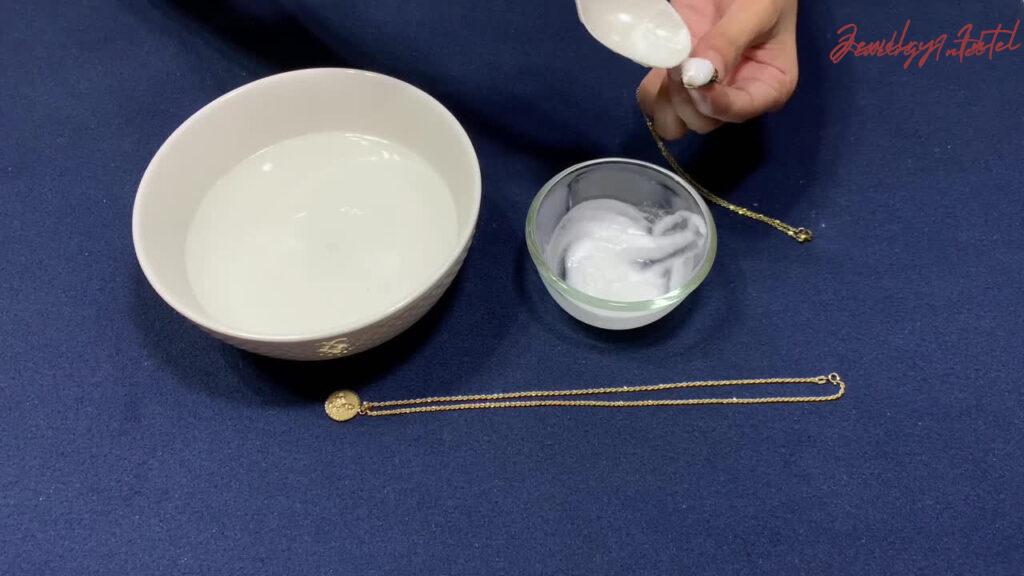
- Dab a small amount of the baking soda paste onto the surface of the gold item. If you’re working with a piece of jewelry, choose a discreet area for the test to minimize any potential abrasions.
- Use your fingers or a soft cloth to gently rub the paste over the gold for a few seconds. Avoid rubbing too vigorously, as this could scratch the surface.
Step 3: Observe the Reaction
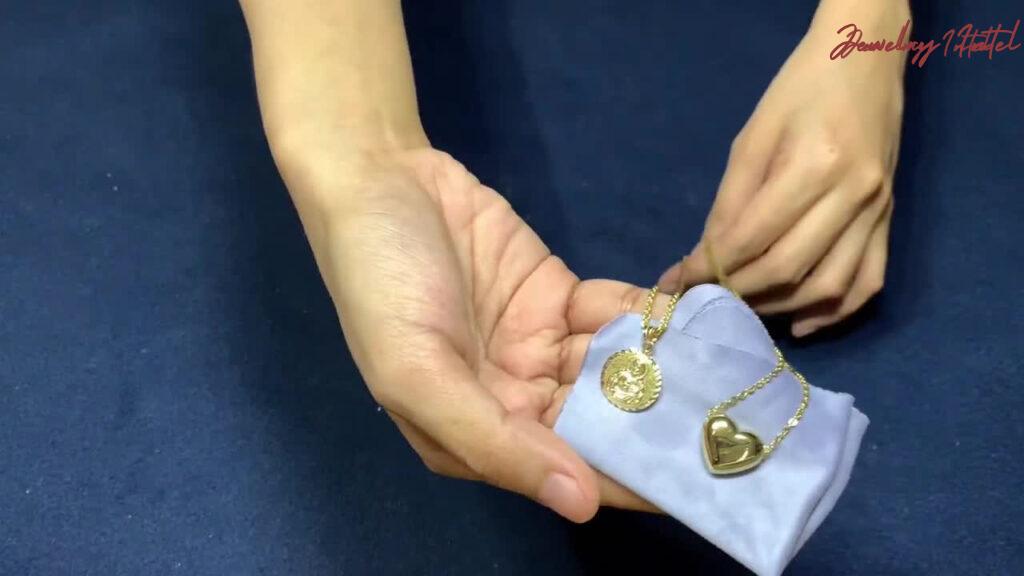
- Let the paste sit on the gold for a minute or two. Real gold will not react to baking soda, so it should remain unchanged. Fake gold, on the other hand, may react with the baking soda, especially if it’s a plated or lower-quality metal, possibly showing discoloration or tarnishing.
Step 4: Rinse and Dry
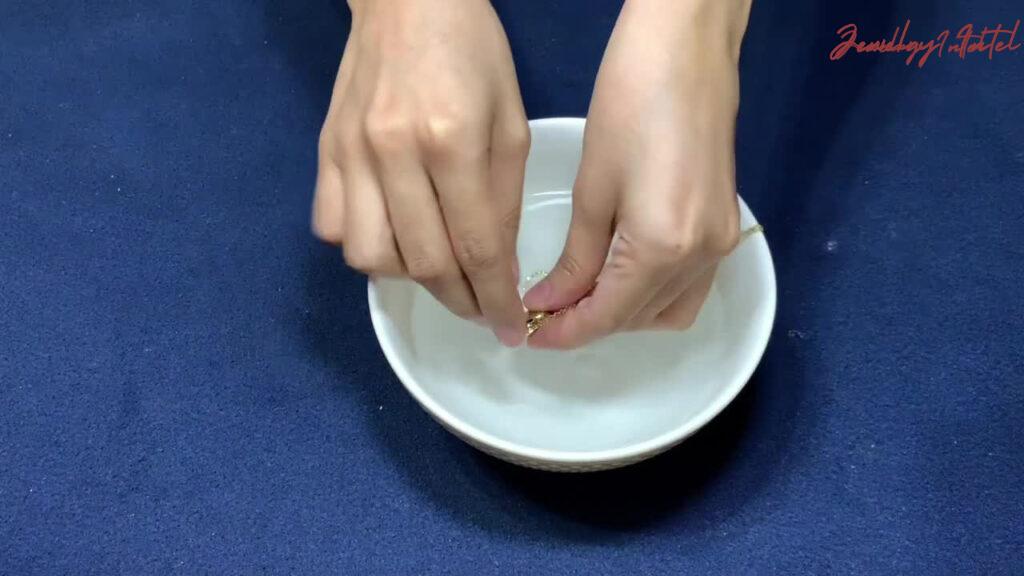
- Rinse the gold item thoroughly under lukewarm water to remove all traces of the baking soda paste.
- Pat dry with a soft cloth, then gently polish to restore its shine.
Tips and Tricks for Accurate Gold Testing
- Repeat the test in multiple areas: To be certain of your results, test different sections of the item, especially if you suspect it might be gold-plated.
- Use a magnifying glass: Look closely at the metal’s surface for any signs of tarnish, discoloration, or unusual markings after the test, as these could indicate non-gold metals beneath a gold-plated surface.
- Know the karat markings: If your item has a karat marking, it can provide an additional clue to its authenticity. However, some fake gold items may still bear misleading stamps, so always use caution.
- Consider a professional test: While this baking soda test can offer helpful hints, only a professional jeweler can confirm the authenticity of gold with certainty.
Conclusion
Testing gold at home with baking soda is a quick and easy way to get an idea of whether an item is real or fake. However, for valuable or sentimental items, always consult a professional jeweler to confirm the results.
Leave a Reply
You must be logged in to post a comment.