Maybe you have inherited some gold jewelry or have had a gold item with you for a while.
You are now not sure if it is real or fake.
Curious?
Here’s how to check if gold is real or fake, at home, using something all of us have at home – toothpaste!
What You Will Need
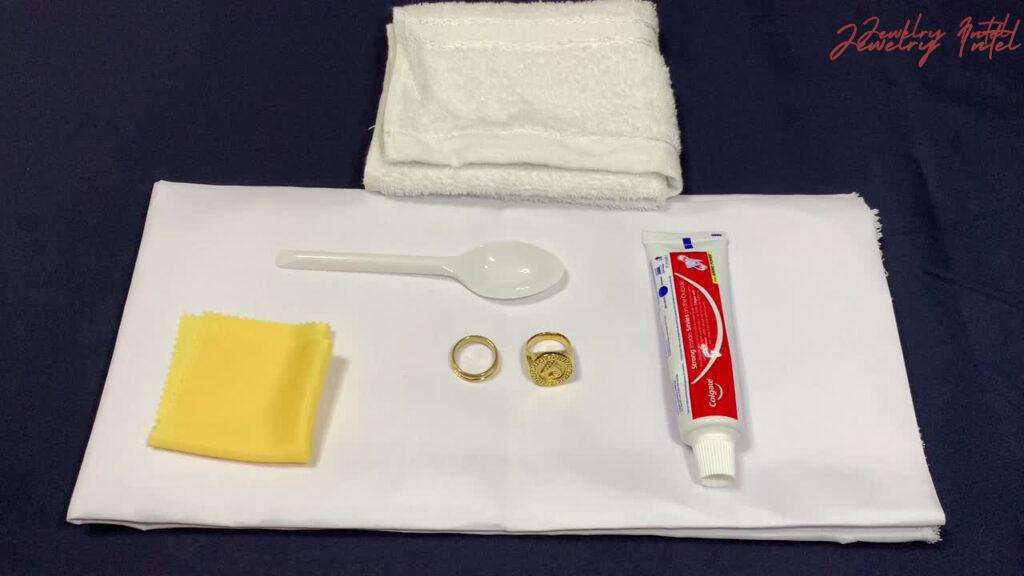
- A small tube of non-gel white toothpaste (avoid colored or gel-based kinds)
- Soft white towel
Step-by-Step Instructions
Step 1: Prepare the Towel
Choose a white or light-colored towel (preferably cotton), which will help you see any traces of discoloration that the toothpaste may remove from the gold piece.
Step 2: Apply a Small Amount of Toothpaste
Add a small dab of white toothpaste directly onto a corner of the towel. Make sure it’s a small amount so that it doesn’t soak into the towel too much, as you’ll need it to stay on the surface for the test.
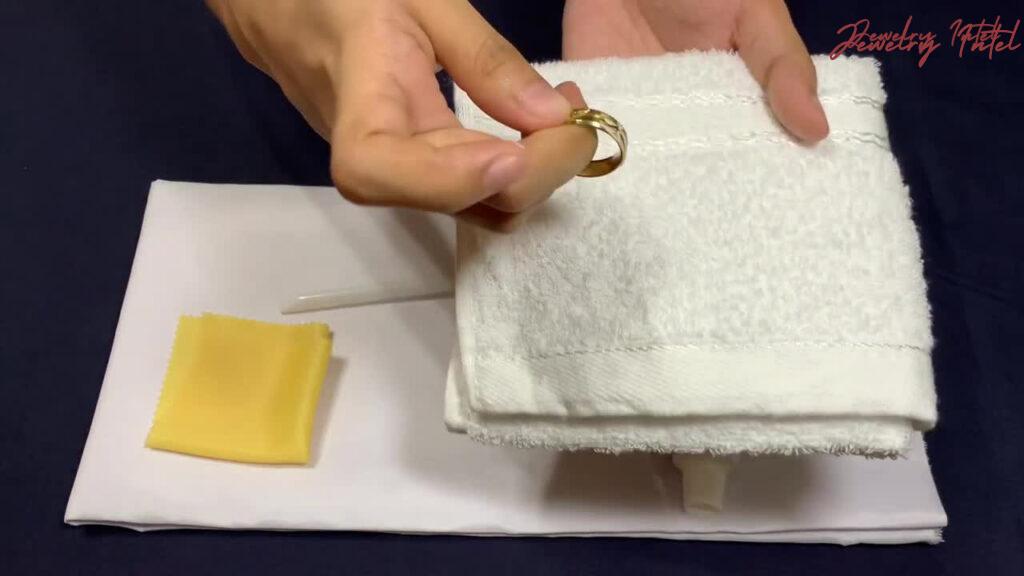
Step 3: Rub the Gold Item on the Towel
Take the gold piece and gently rub it back and forth over the toothpaste on the towel for about 1–2 minutes. Be careful not to press too hard, especially if the piece is plated, as too much pressure can wear away the top layer.
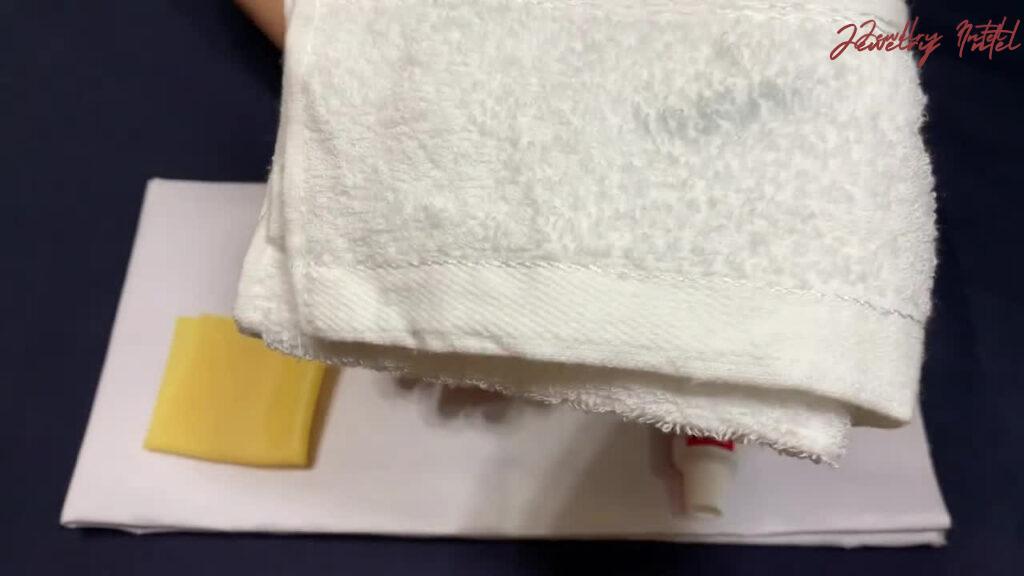
Step 4: Check the Towel for Discoloration
After rubbing, lift the towel and examine the area where you applied the toothpaste:
- No Discoloration: Real gold doesn’t tarnish or leave a colored residue, so if the towel shows no discoloration or residue, that’s a positive sign that your piece may be genuine.
- Discoloration or Residue: If you see gray, black, or any metallic-colored residue, it could mean that the item is gold-plated or made from a different metal alloy underneath a gold layer. The toothpaste may have lightly abraded the plating, exposing a non-gold metal below.
Step 5: Rinse and Clean
After testing, rinse the gold piece under warm water to remove any toothpaste residue, then dry it with a soft cloth to prevent streaks or water spots.
Precautions to Take
- Avoid Colored or Gel Toothpaste: Only use plain white toothpaste. Colored or gel toothpastes may contain dyes and other ingredients that can stain or react with metals, which could damage the piece.
- Test on a Small Area First: Even though toothpaste is relatively mild, it’s still slightly abrasive and could scratch certain finishes. Test a small, inconspicuous area first.
- Not Recommended for Delicate Gold Pieces: This method is best used on simpler, sturdier gold pieces without delicate engravings, gemstones, or embellishments.
- Check the Toothpaste Ingredients: Ensure the toothpaste doesn’t contain harsh chemicals or high levels of baking soda, as these can damage gold.
- Use a White or Light-Colored Towel: This helps make any discoloration or residue from the metal more visible.
- Be Gentle: As with any abrasive substance, rub lightly to avoid scratching or damaging delicate items.
- Avoid Overdoing It: This method, like others using abrasives, can wear down the finish on gold-plated items, so use it sparingly.
How to be sure your gold is not fake?
- Follow Up with a Magnet Test: As a secondary check, use a magnet—real gold is not magnetic, so if your item is drawn to the magnet, it’s likely not pure gold.
- Use This as a Preliminary Test Only: While helpful, this test isn’t definitive. If you’re still unsure, consider consulting a jeweler or using additional tests, like acid testing, for a more reliable result.
Conclusion
While toothpaste is a quick and easy way to test gold, it may not be conclusive. Gold-plated items may provide the same results as pure gold.
Yes, this method isn’t foolproof, but it can help identify some signs of fake gold or poor-quality gold plating.
So it is best you try using multiple testing methods for more accurate results, like using a gold testing acid kit or do the magnet test for gold.
And if you want to be 100% sure, it is best to get your gold evaluated by a professional jeweler.
Leave a Reply
You must be logged in to post a comment.