Testing gold at home can be done with a surprising variety of everyday items—even makeup!
This easy and handy gold-testing method is perfect whether you’re at home and curious about your gold jewelry or hunting for treasures at a flea market.
Why Test Gold with Makeup?
Gold has unique properties that set it apart from other metals. When rubbed with foundation, real gold can produce a subtle dark mark or streak due to a chemical reaction with the oils and powders in the makeup. Other metals may not produce this effect or may create a different appearance.
🌟 How to Test Gold With Liquid Foundation 🌟
Precautions to Take
- Test on an inconspicuous area: To avoid marks on visible areas of jewelry, choose a spot that isn’t noticeable, such as the inner side of a ring or the back of a pendant.
- Avoid using this method on delicate or plated gold items: Gold-plated pieces can wear down if repeatedly rubbed, so limit testing to solid gold items or conduct the test sparingly.
- Be cautious if you have sensitive skin: Testing on skin may cause a reaction if you’re allergic to metals. Consider testing directly on the jewelry instead.
- Keep in mind that this test is not 100% accurate: This test can provide a quick indication, but it’s best followed up with additional tests or a professional evaluation for definitive results.
Items You Will Need
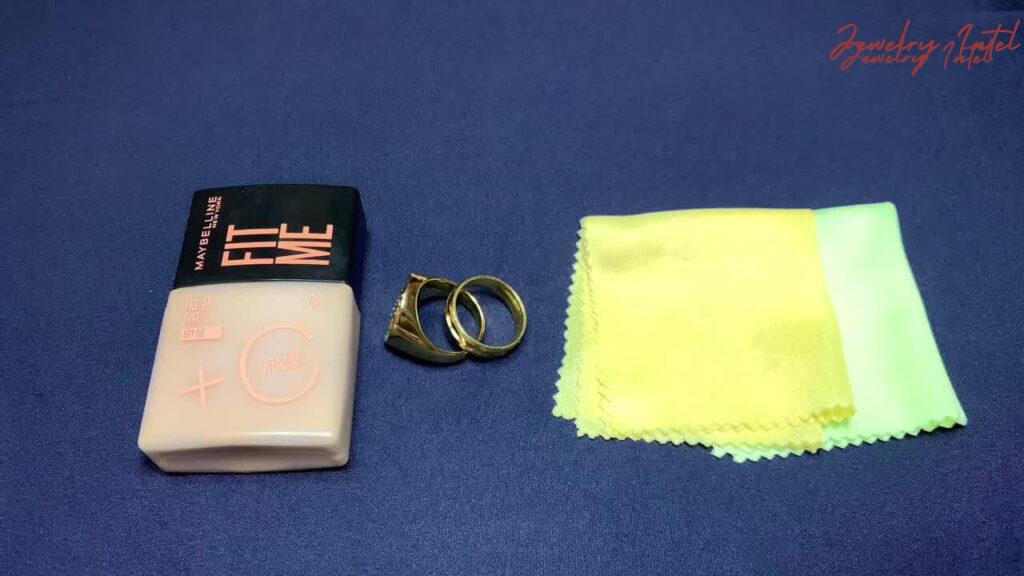
- Liquid foundation (choose a medium-to-full coverage foundation for better results)
- Face powder (Optional – preferably a loose powder, but pressed powder will work too)
- Soft-bristled brush (optional, for applying powder evenly)
- Soft cloth or tissue (for cleaning up afterward)
- Water and soap (for cleaning your hands and the jewelry after the test)
🔍 Steps to Follow:
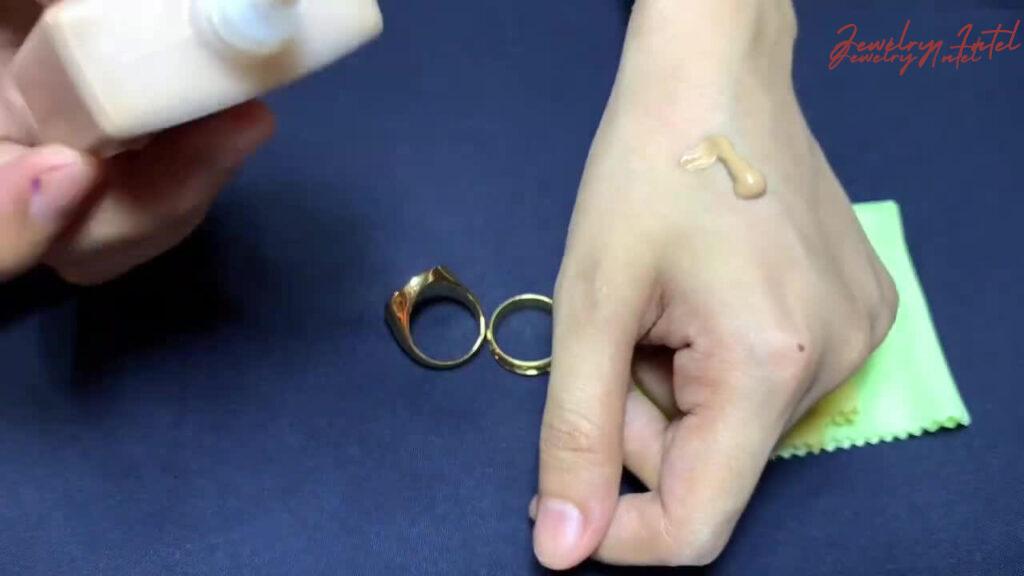
- Prepare the Foundation: Apply a small amount of foundation on the back of your hand. Spread it evenly and allow it to dry for a few minutes.
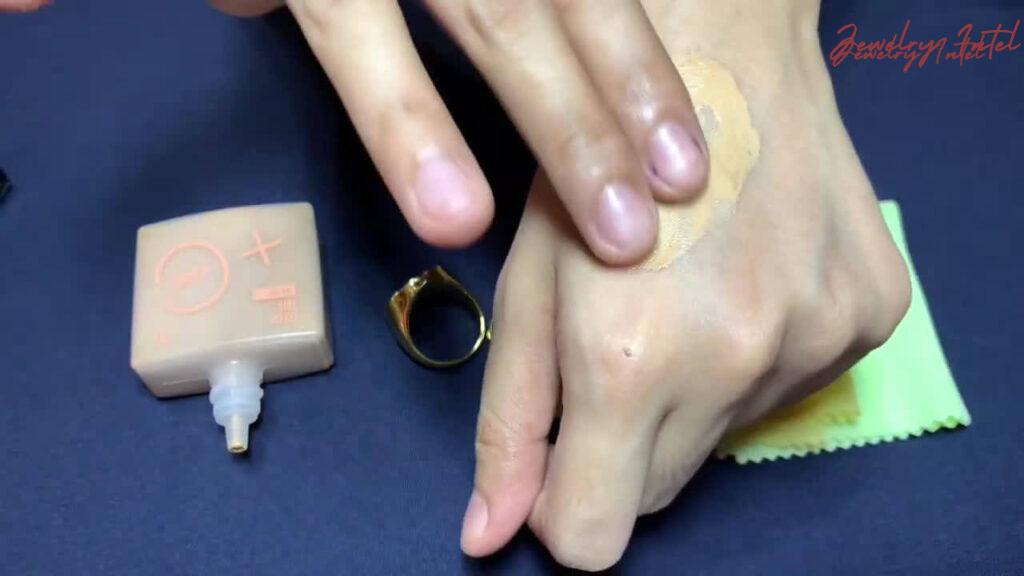
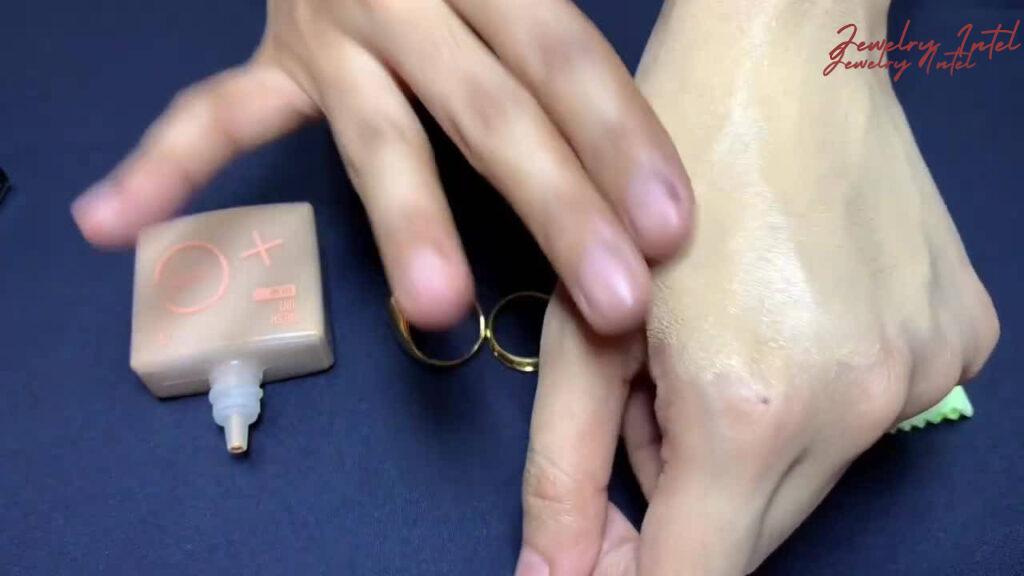
- Optionally, you can apply some powder to ensure it’s dry.
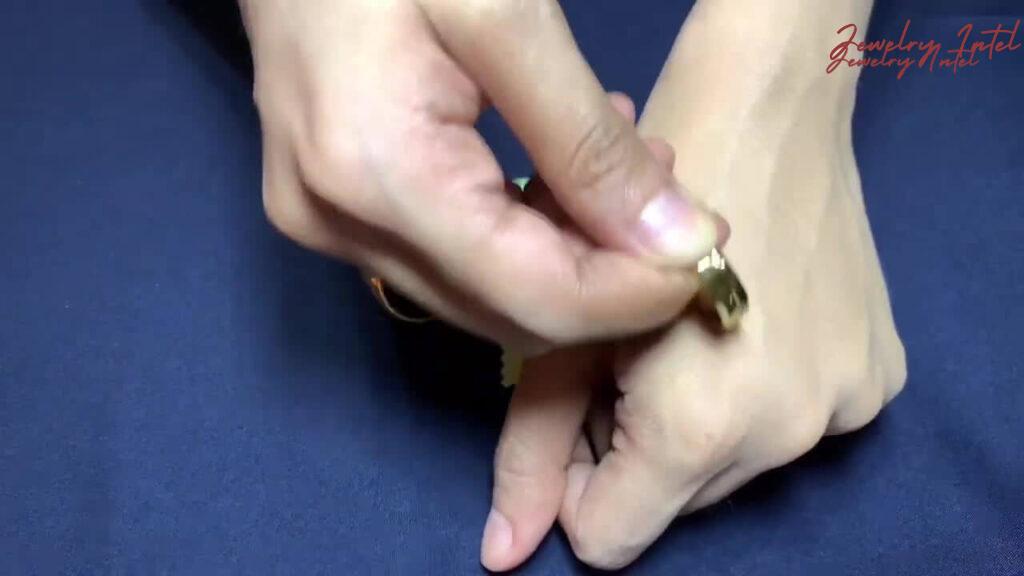
- Test Your Gold: Once the foundation is dry, gently rub your gold jewelry against the foundation-coated skin for several seconds. Use consistent pressure, but don’t press too hard, especially if you’re testing jewelry with a delicate design.
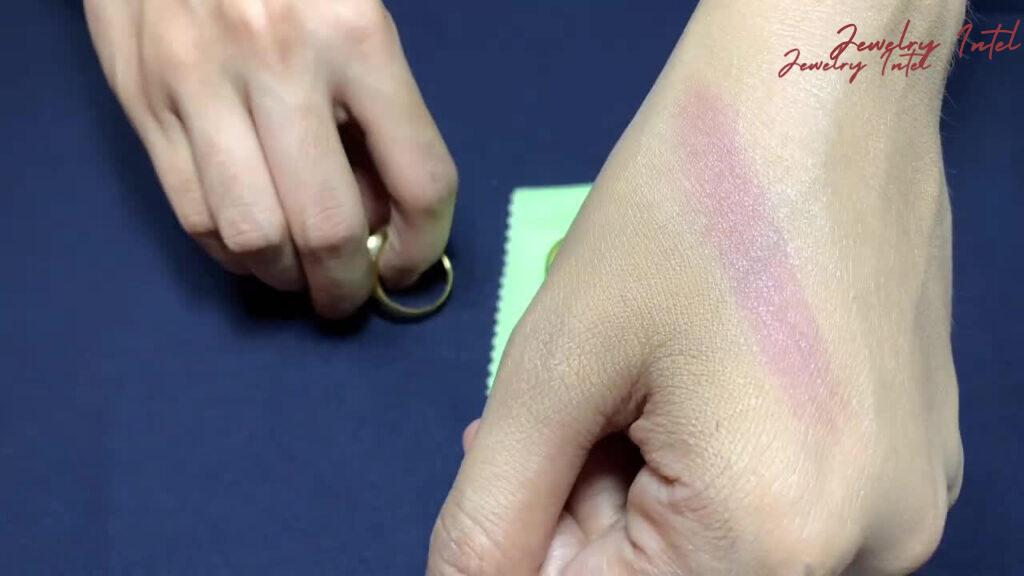
- Check the Results: Look for any dark discoloration. A dark mark usually signifies authentic gold. For example, a genuine gold ring should leave a dark mark.
- No Marks, No Gold: If there are no dark marks after the test, your item is likely not made of real gold.
- Clean Up: After completing the test, wash off any makeup residue from your skin or the jewelry piece using water and soap. For jewelry, pat dry with a soft cloth to restore its shine.
🛑 Important Tips:
Make sure your gold items are clean for precise results.
This method is quick and convenient and can help you spot fake gold, but it is not 100% foolproof. Combine it with other gold tests for better accuracy.
💡 What to Expect:
Genuine gold usually leaves a dark mark when rubbed against foundation-coated skin.
Gold-plated items may also leave a mark, so further testing is recommended.
Tips and Tricks
- Try testing on the inner side of a ring or clasp if you’re testing jewelry. This avoids leaving marks on the most visible parts of the piece.
- Follow up with other tests like the magnet test (gold is non-magnetic) or vinegar test for a more accurate assessment.
- Avoid too much foundation and powder—a thin layer is best. Thick layers of makeup may not allow the mark to show as clearly.
- Combine with a magnet test for further verification, as gold is non-magnetic. If the item reacts to a magnet, it’s likely not pure gold.
For more comprehensive results, combine this with other gold testing methods, watch our “Gold Test with Toothpaste” video!
Leave a Reply
You must be logged in to post a comment.