Here is how to check gold is real at home, using just vinegar – a common household item!
🌟 How to Test Gold at Home with Vinegar 🌟
Items You Will Need
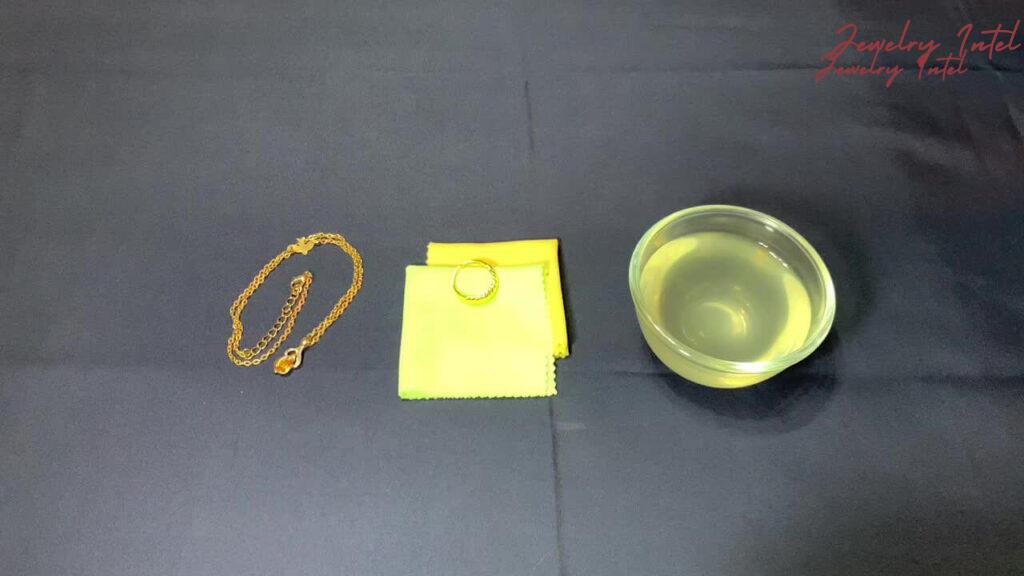
- White vinegar (any household vinegar will work)
- Dropper or spoon (to apply vinegar precisely)
- Soft cloth (for drying the gold after testing)
- Water (for rinsing after the test)
- Small container (optional, if you choose to submerge the piece instead of applying drops)
🔍 Step-by-Step Guide:
Prepare Your Workspace
Set up a clean and well-lit area with all your materials within reach. Use a non-porous surface like a countertop or table to avoid vinegar stains.
Prepare the Vinegar Solution
Grab a bowl and fill it with enough white vinegar to submerge your gold item. White vinegar’s acetic acid content is the key to this test.
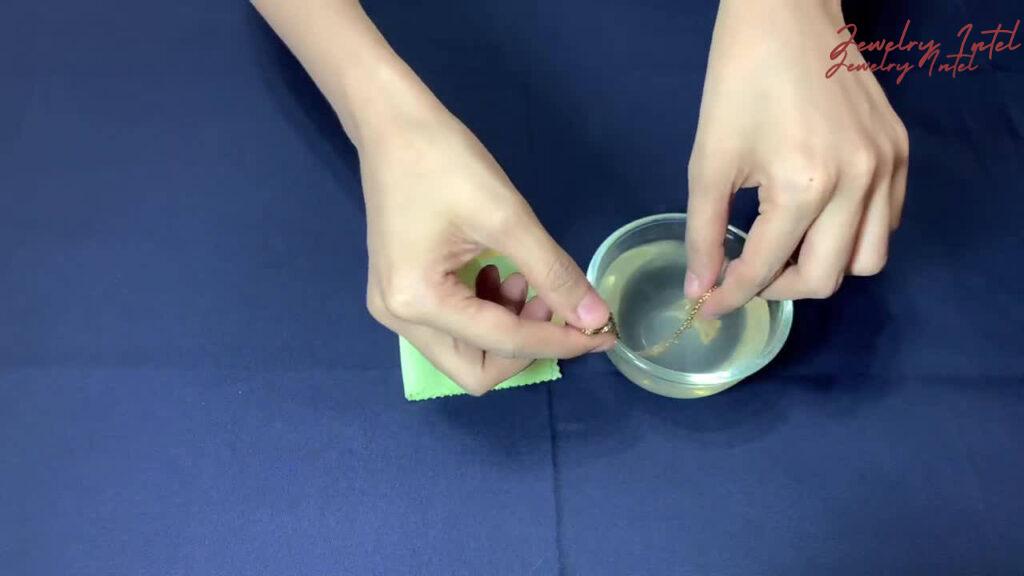
Soak Your Gold
Place your gold in the vinegar and let it sit for up to one hour. This duration is crucial for an accurate result.
Observe the Results
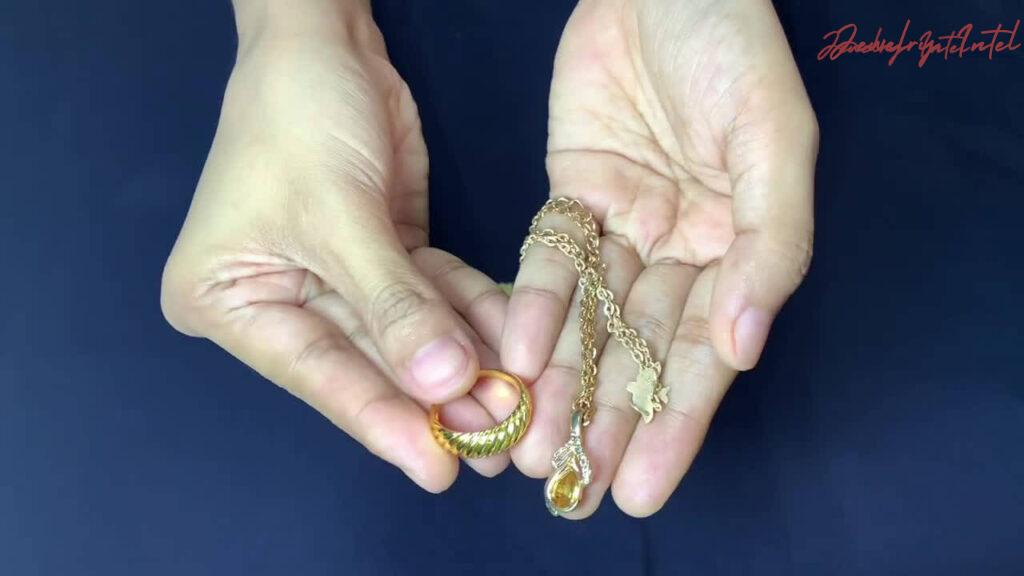
Remove the gold and check for any signs of reaction.
If the item is real gold, it should not change color, tarnish, or exhibit any visible reaction when exposed to vinegar.
If the item is not real gold (e.g., gold-plated, gold-filled, or an alloy with minimal gold content), you may notice:
- A bubbling or fizzling reaction, indicating that a base metal is reacting to the acid in the vinegar.
- A change in color, often turning darker or black.
Rinse and Dry
After a few minutes, rinse the gold item thoroughly with water to remove any vinegar residue. Pat it dry with a soft cloth to restore its original shine.
Tips and Tricks
- Use higher-karat gold for more accurate results: Lower-karat gold may contain enough other metals that they might react slightly to vinegar, so this test is most effective for higher-karat pieces like 18K or 24K gold.
- Repeat the test in different areas if you suspect the item might be gold-plated. Gold plating is often applied on the surface, and testing multiple spots can help you avoid a false positive.
- Combine with other home tests: For greater confidence, you can follow up the vinegar test with a gold magnet test (gold is non-magnetic) or test gold using toothpaste.
🛑 Precautions to Take
- Perform the test on a small, inconspicuous area of the gold item, especially if it has intricate details or if you’re testing jewelry with other materials, such as stones or enamel.
- Avoid using excessive vinegar, as prolonged exposure to acid may tarnish or damage certain non-gold parts, like clasps or decorative elements.
- Do not test gold-plated or gold-filled jewelry with vinegar unless you’re ready for potential discoloration, as vinegar can remove the plating or filling.
- Ensure the area is well-ventilated to avoid inhaling any fumes, especially if you’re testing multiple pieces.
- Avoid soaking jewelry with delicate gemstones or pearls in vinegar.
- Ensure the gold is completely clean before testing.
What to Expect:
No Change in Color: Likely real gold, as it resists corrosion and discoloration.
Discoloration Spotted: Possibly fake, as non-gold metals react with vinegar.
💧 Post-Test Care: Rinse and wipe your gold items to remove any vinegar residue.
Why Test Gold with Vinegar?
Gold is known for its resistance to oxidation and most acids. When exposed to vinegar, solid, real gold remains unaffected, but other metals may change color or show signs of oxidation. This makes vinegar a simple and easy way to spot fake gold easily.
Conclusion
While the vinegar test is handy and good for distinguishing pure gold from fake gold or alloys with low gold content, it’s not 100% foolproof.
For more accurate results, consider multiple testing methods to spot fake gold with lemon or test gold with toothpaste. For testing valuable heirloom items or jewelry that you want to sell or buy, it is best to consult a professional jeweler.
Leave a Reply
You must be logged in to post a comment.