Testing gold with magnet is one of the quickest and easiest ways to check if your gold jewelry or item is genuine. Because real gold is not magnetic, this magnet test can quickly help you spot fake gold.
However, keep in mind that some non-magnetic metals could possibly be used in gold-plated or fake gold items, so while a magnet test can help, it’s not a conclusive way of knowing that your jewelry is real gold.
What You’ll Need
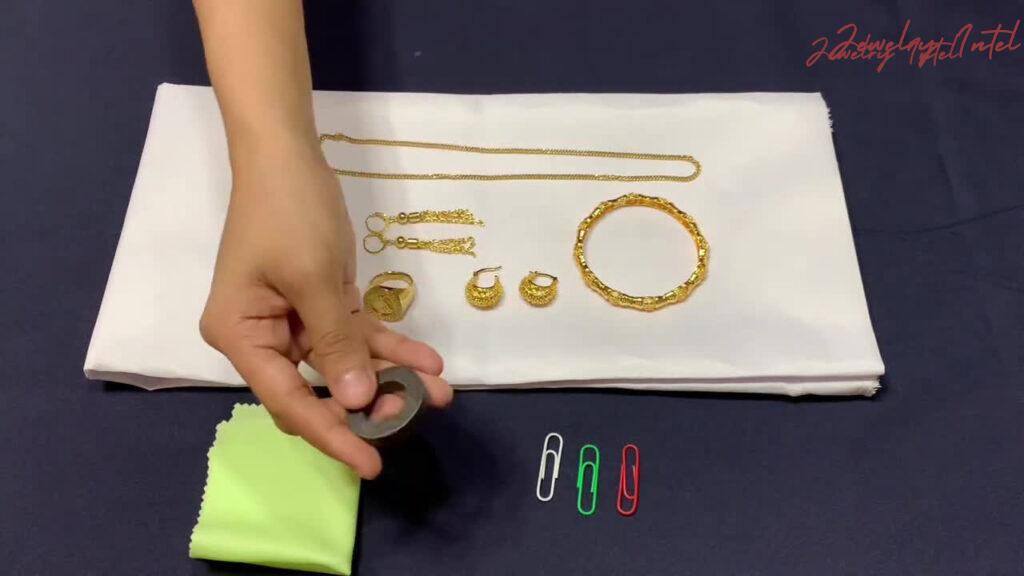
- A strong magnet (neodymium or rare-earth magnets work best, as they’re stronger than typical household magnets)
- A soft, clean cloth (optional, for protection and cleaning)
- The gold item you want to test
Precautions to Take
- Use the Right Type of Magnet: Small fridge magnets or other household magnets may not be strong enough to detect minor traces of magnetic metals. A neodymium magnet, found in hardware or specialty stores, is recommended for the best results.
- Don’t Rely Solely on This Test: Some metals used in fake gold pieces are also non-magnetic, such as copper or aluminum. While a magnet test can indicate the presence of magnetic metals, a non-magnetic result doesn’t always mean an item is real gold.
- Avoid Contact with Delicate or Plated Pieces: Magnets can sometimes scratch soft or delicate surfaces. To prevent this, wrap your magnet in a soft cloth or handle it carefully when placing it near the gold item.
Step-by-Step Instructions
Step 1: Gather Your Supplies
Choose a flat surface to perform the test, such as a table. Make sure you have your gold item, a strong neodymium magnet, and a soft cloth if you plan to wrap the magnet.
Step 2: Place the Magnet Near the Gold Item
Hold the magnet close to the gold item, ideally within an inch or so. Avoid actually touching the surface of delicate or plated gold with the magnet, as strong magnets can scratch or damage fragile finishes.
Step 3: Observe the Reaction
Watch how the gold reacts to the magnet:
- If the Gold Item is Attracted to the Magnet: If your gold item moves toward or clings to the magnet, it likely contains magnetic metals, indicating that it may not be pure gold. Gold itself is not magnetic, so any attraction suggests the presence of other materials.
- If There is No Attraction: If the gold item does not react to the magnet, this is a positive sign. However, it’s not definitive, as some fake gold pieces are made with non-magnetic metals. Still, a lack of magnetic attraction is a promising indication of authenticity.
Step 4: Check Multiple Spots (if Possible)
If the item has multiple sections (like a gold chain or a piece with different parts), move the magnet near various parts to ensure a consistent reaction. Sometimes, only certain areas of a fake piece might contain magnetic metals, so checking multiple spots can improve accuracy.
Step 5: Clean and Store Your Gold Piece
After completing the test, if any debris or smudges are left from handling the magnet, gently wipe your gold piece with a soft cloth to restore its shine.
Interpreting the Results
- Real Gold: Authentic gold will not react to a magnet, as it doesn’t contain iron, nickel, or cobalt, which are the main metals that make an item magnetic.
- Fake Gold: If the item sticks to or is pulled by the magnet, it may contain magnetic materials and is likely not pure gold. Some gold-plated items are made with magnetic base metals that will react in this test.
- Exceptions: Some gold alloys or pieces may have clasps, chains, or other components that include magnetic metals, even if the main item is gold. Keep in mind that only pure or high-karat gold is entirely non-magnetic, so consider the overall piece’s design.
Tips and Tricks
- Use Other Tests for More Accuracy: This test is a great starting point but may not be foolproof, as some fake gold items are made from non-magnetic materials. You might also try the scratch test or acid test for a more conclusive result if you’re still uncertain.
- Try Testing Silver with the Magnet Too: Pure silver, like gold, is also non-magnetic. If you have silver items, this same method can help verify their authenticity.
- Know the Gold Content of Your Item: Pure 24-karat gold is completely non-magnetic, but alloys with lower karats, like 10-karat gold, may contain small amounts of metals that could create a slight magnetic pull. Be cautious of very slight magnetic attraction, as it doesn’t always mean the gold is fake.
- Inspect for Hallmarks and Stamps: Many authentic gold items are stamped with a hallmark indicating the karat or purity of the gold. This can be a helpful reference when testing your gold with a magnet.
Conclusion
Is real gold magnetic?
No, real gold is not magnetic.
Which is why the gold magnet test is a quick way to spot fake gold. While not foolproof, it can help rule out fakes, especially those with magnetic metals.
If you want to be completely sure, it is best to test your gold using other tests as well or consult a professional jeweler to get rid of all doubts.
Leave a Reply
You must be logged in to post a comment.